
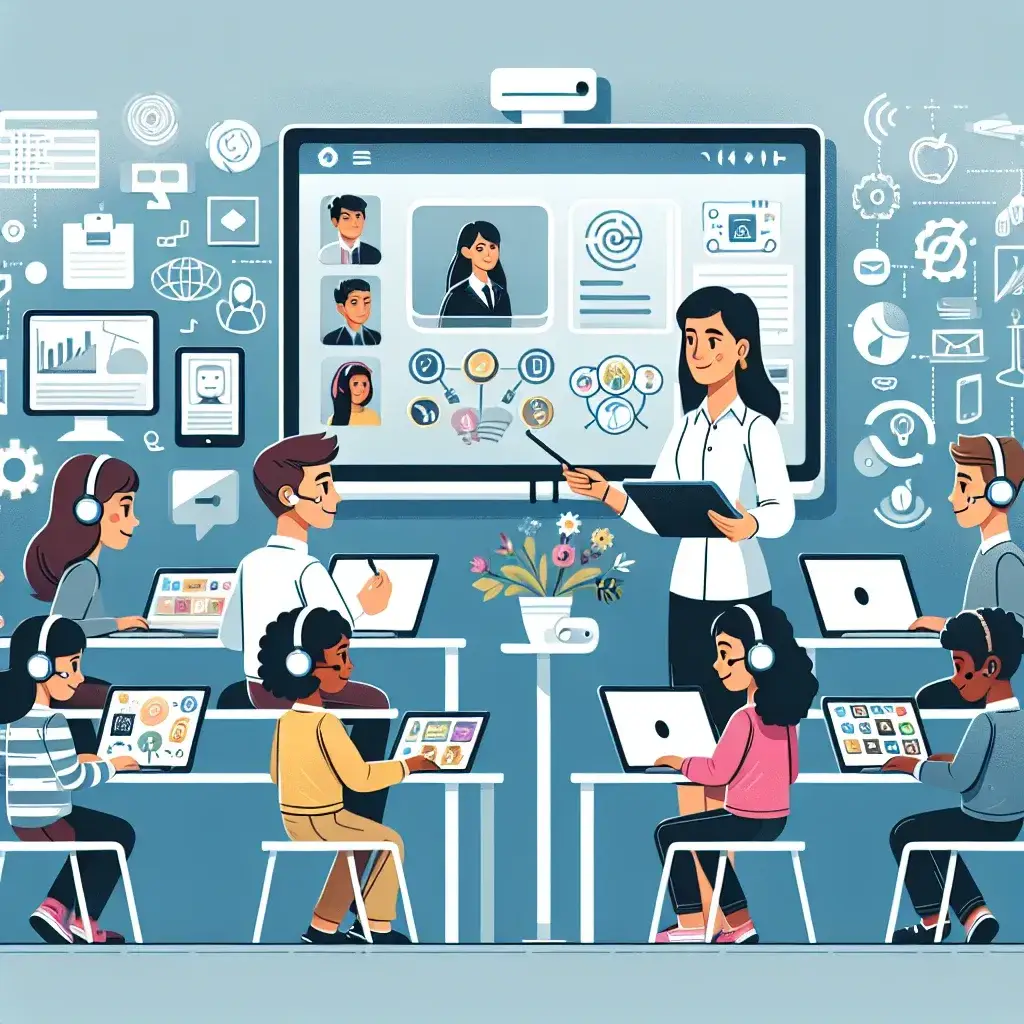
The Digital Revolution in Educational Management
The landscape of education has undergone a dramatic transformation in recent years, with digital classroom management tools emerging as the cornerstone of modern pedagogical practices. These sophisticated platforms have revolutionized how educators orchestrate learning environments, manage student interactions, and deliver content across diverse educational settings. From elementary schools to universities, institutions worldwide are embracing these technological solutions to create more engaging, efficient, and accessible learning experiences.
The evolution from traditional blackboards to interactive digital platforms represents more than just a technological upgrade—it signifies a fundamental shift in educational philosophy. Today’s educators are no longer confined to physical classroom boundaries, enabling them to reach students across geographical barriers and accommodate various learning styles through multimedia-rich environments.
Understanding Digital Classroom Management Platforms
Digital classroom management tools encompass a comprehensive suite of software applications designed to streamline educational processes. These platforms integrate multiple functionalities, including content delivery systems, student assessment modules, communication channels, and administrative oversight capabilities. The primary objective is to create a centralized hub where educators can efficiently manage all aspects of the learning experience.
Modern classroom management solutions typically feature intuitive dashboards that provide real-time insights into student engagement, progress tracking, and behavioral analytics. These systems enable educators to monitor multiple classes simultaneously, identify struggling students early, and implement targeted interventions to improve learning outcomes.
Core Components of Effective Management Systems
Successful digital classroom management platforms incorporate several essential elements that work synergistically to enhance the educational experience:
- Learning Management Systems (LMS): Centralized platforms for course content, assignments, and gradebooks
- Communication Tools: Integrated messaging, video conferencing, and discussion forums
- Assessment Modules: Automated testing, quiz creation, and performance analytics
- Content Creation Tools: Interactive lesson builders, multimedia integration capabilities
- Student Monitoring: Real-time activity tracking and engagement metrics
- Administrative Features: Attendance management, report generation, and parent communication
Leading Digital Classroom Management Solutions
The market offers numerous sophisticated platforms, each with unique strengths and specialized features tailored to different educational contexts. Understanding the landscape of available options is crucial for making informed decisions about technology adoption.
Google Classroom: The Accessible Pioneer
Google Classroom has emerged as one of the most widely adopted platforms, particularly appreciated for its seamless integration with the broader Google Workspace ecosystem. Its intuitive interface allows educators to create, distribute, and grade assignments efficiently while maintaining organized digital filing systems. The platform’s strength lies in its simplicity and accessibility, making it an excellent choice for educators transitioning from traditional teaching methods.
Microsoft Teams for Education: Enterprise-Grade Solutions
Microsoft’s educational offering provides robust collaboration features combined with powerful administrative controls. The platform excels in facilitating group projects, virtual meetings, and document collaboration. Its integration with Office 365 applications creates a comprehensive digital workspace that mirrors professional environments, preparing students for future workplace scenarios.
Canvas: Comprehensive Learning Management
Canvas has gained significant traction in higher education institutions due to its sophisticated assessment tools and detailed analytics capabilities. The platform offers extensive customization options, allowing institutions to tailor the learning experience to their specific requirements. Its mobile-responsive design ensures consistent accessibility across various devices.
Schoology: K-12 Focused Excellence
Designed specifically for K-12 environments, Schoology combines social learning elements with traditional classroom management features. The platform emphasizes student engagement through gamification elements and peer collaboration tools while providing educators with comprehensive oversight capabilities.
Implementation Strategies for Maximum Impact
Successful deployment of digital classroom management tools requires careful planning and strategic implementation. Organizations must consider various factors, including technical infrastructure, educator training requirements, and student accessibility needs.
Infrastructure Assessment and Preparation
Before implementing any digital solution, institutions must evaluate their existing technological infrastructure. This assessment should include network capacity, device availability, and technical support capabilities. Ensuring reliable internet connectivity and adequate hardware resources is fundamental to successful platform adoption.
Many schools have discovered that implementing a bring-your-own-device (BYOD) policy can significantly reduce infrastructure costs while increasing student engagement. However, this approach requires careful consideration of equity issues and technical support complexities.
Educator Training and Professional Development
The success of digital classroom management tools heavily depends on educator proficiency and confidence in using these platforms. Comprehensive training programs should address not only technical functionality but also pedagogical best practices for digital environments.
Effective training initiatives typically include:
- Initial platform orientation sessions
- Ongoing professional development workshops
- Peer mentoring programs
- Technical support resources
- Regular feedback and improvement cycles
Benefits and Advantages of Digital Management Tools
The adoption of digital classroom management platforms offers numerous advantages that extend beyond simple administrative convenience. These benefits impact all stakeholders in the educational ecosystem, from students and educators to administrators and parents.
Enhanced Student Engagement and Personalization
Digital platforms enable educators to create more engaging and interactive learning experiences through multimedia content, gamification elements, and personalized learning paths. Students can access materials at their own pace, revisit challenging concepts, and engage with content in various formats that accommodate different learning preferences.
The ability to track individual student progress allows for personalized interventions and support, ensuring that no student falls behind. Advanced analytics provide insights into learning patterns, helping educators identify optimal teaching strategies for different student groups.
Improved Communication and Collaboration
Modern classroom management tools break down traditional communication barriers between educators, students, and parents. Real-time messaging, announcement systems, and progress sharing create transparent communication channels that keep all stakeholders informed and engaged.
Collaborative features enable students to work together on projects regardless of physical location, fostering teamwork skills and expanding learning opportunities beyond traditional classroom boundaries.
Streamlined Administrative Processes
Digital platforms significantly reduce administrative burden through automated processes such as grade calculations, attendance tracking, and report generation. This efficiency allows educators to focus more time on teaching and student interaction rather than paperwork and manual data entry.
Challenges and Considerations
Despite their numerous advantages, digital classroom management tools present certain challenges that institutions must address thoughtfully.
Digital Equity and Access
One of the most significant concerns is ensuring equitable access to technology for all students. Socioeconomic disparities can create digital divides that may disadvantage certain student populations. Schools must develop strategies to provide necessary resources and support to ensure all students can participate fully in digital learning environments.
Privacy and Security Concerns
The collection and storage of student data raise important privacy and security considerations. Educational institutions must ensure compliance with relevant regulations such as FERPA and implement robust cybersecurity measures to protect sensitive information.
Selecting platforms with strong security features and transparent data handling practices is essential for maintaining student privacy and institutional credibility.
Technology Dependence and Digital Wellness
Increased reliance on digital tools raises concerns about screen time, digital addiction, and the potential loss of traditional learning skills. Educators must strike a balance between leveraging technology benefits and maintaining healthy learning practices.
Future Trends and Innovations
The field of digital classroom management continues to evolve rapidly, with emerging technologies promising even more sophisticated capabilities.
Artificial Intelligence and Machine Learning
AI-powered features are beginning to appear in educational platforms, offering capabilities such as automated content recommendations, intelligent tutoring systems, and predictive analytics for student performance. These technologies have the potential to further personalize learning experiences and provide more sophisticated support for both students and educators.
Virtual and Augmented Reality Integration
Immersive technologies are starting to find their way into classroom management platforms, offering new possibilities for experiential learning and virtual field trips. These technologies can create engaging learning environments that would be impossible in traditional classrooms.
Blockchain for Credential Verification
Blockchain technology may revolutionize how educational credentials are verified and shared, providing secure and tamper-proof records of student achievements and certifications.
Best Practices for Successful Implementation
Organizations seeking to maximize the benefits of digital classroom management tools should follow established best practices:
- Start with clear objectives: Define specific goals and success metrics before implementation
- Involve stakeholders: Engage educators, students, and parents in the selection and planning process
- Provide comprehensive training: Invest in thorough training programs and ongoing support
- Implement gradually: Consider phased rollouts to manage complexity and allow for adjustments
- Monitor and evaluate: Regularly assess effectiveness and make necessary improvements
- Ensure equity: Address access and digital divide issues proactively
Conclusion: Embracing the Digital Future of Education
Digital classroom management tools represent a transformative force in modern education, offering unprecedented opportunities to enhance learning experiences, improve administrative efficiency, and create more inclusive educational environments. While challenges exist, the benefits of these platforms far outweigh the potential drawbacks when implemented thoughtfully and strategically.
As educational institutions continue to navigate the digital transformation, success will depend on careful planning, comprehensive training, and a commitment to addressing equity and access issues. The future of education lies in the intelligent integration of technology with proven pedagogical practices, creating learning environments that prepare students for success in an increasingly digital world.
By embracing these powerful tools while maintaining focus on educational outcomes and student well-being, educators can create dynamic, engaging, and effective learning experiences that serve the diverse needs of modern learners. The journey toward digital transformation in education is ongoing, and those who adapt thoughtfully will be best positioned to thrive in this evolving landscape.